
The illustration above shows an excerpt from the depiction of De claris mulieribus by Giovanni Boccaccio, created in France around 1440.
Making one’s own fabrics—in earlier times, a necessary matter of course.
Background
Today, clothing is available to us in a selection that is almost too vast to survey. Fabrics are also available for making clothing, curtains, tablecloths, and much more yourself.
People in earlier times did not have it so easy, or simply did not possess the money to simply buy necessary items such as clothing.
Our small exhibition aims to demonstrate how, through the cultivation of flax, the raw material thus obtained was transformed—over the course of numerous steps—into fabrics ready for further processing.
Sowing and Reaping
According to an old folk saying, flax seeds are sown on the 100th day of the year and harvested, or pulled, after another 100 days. The plants can be easily pulled from the ground, roots and all.
Then they are stacked into stooks until the stalks are dry. The flax sheaves are then taken to a dry place in the yard.
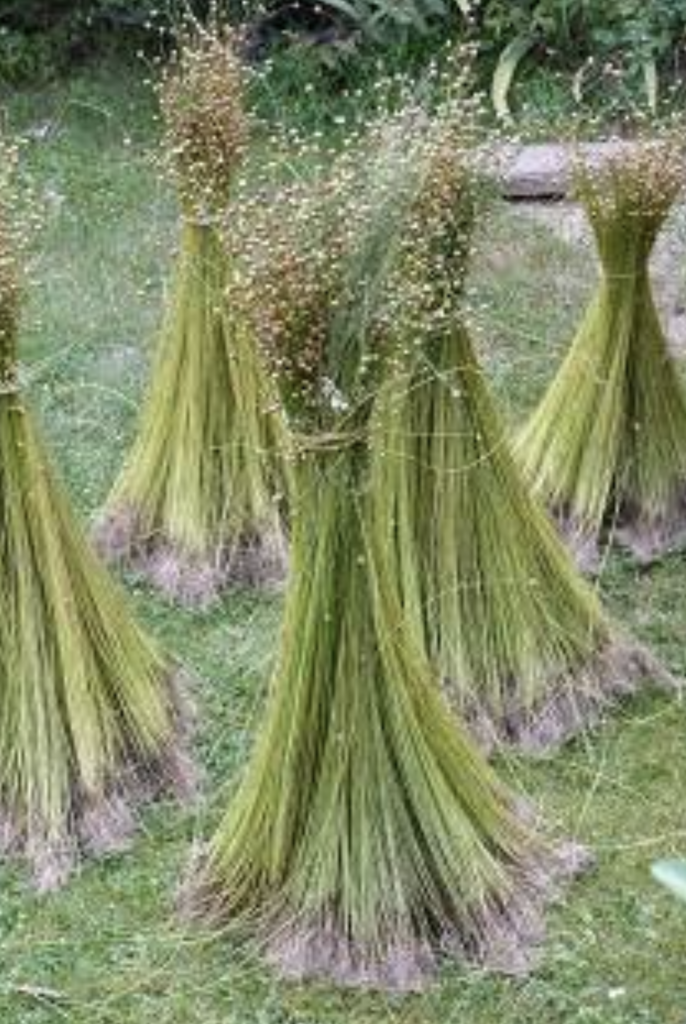
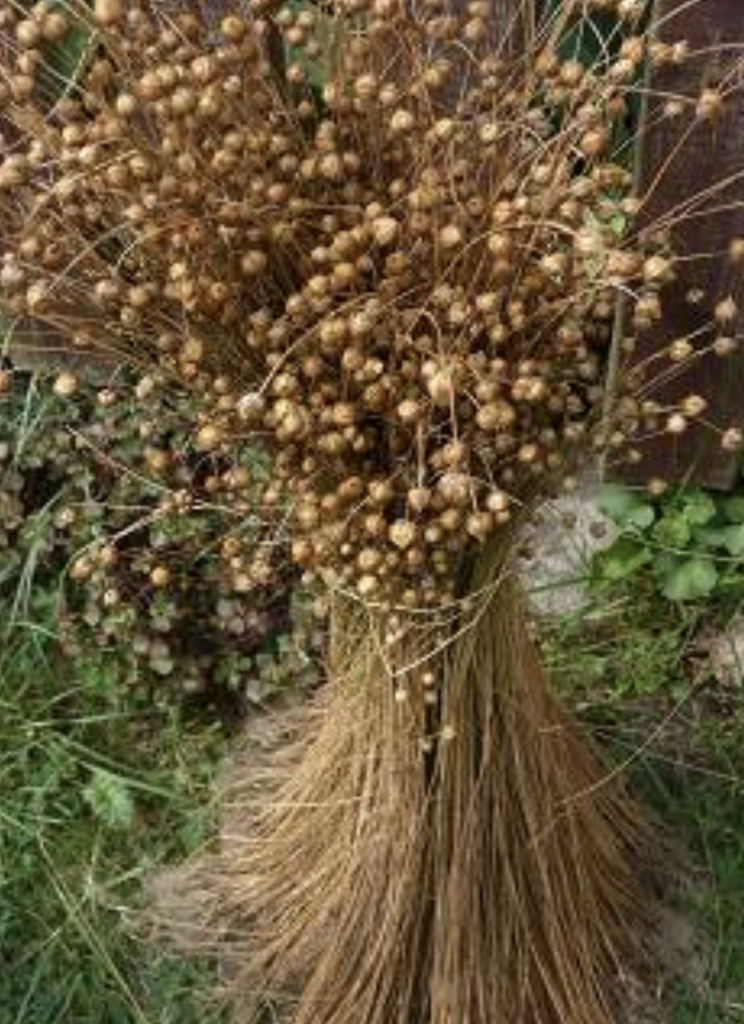
Seeds for the next sowing
With this tool, known as a riffel, the seeds are separated from the harvested flax.
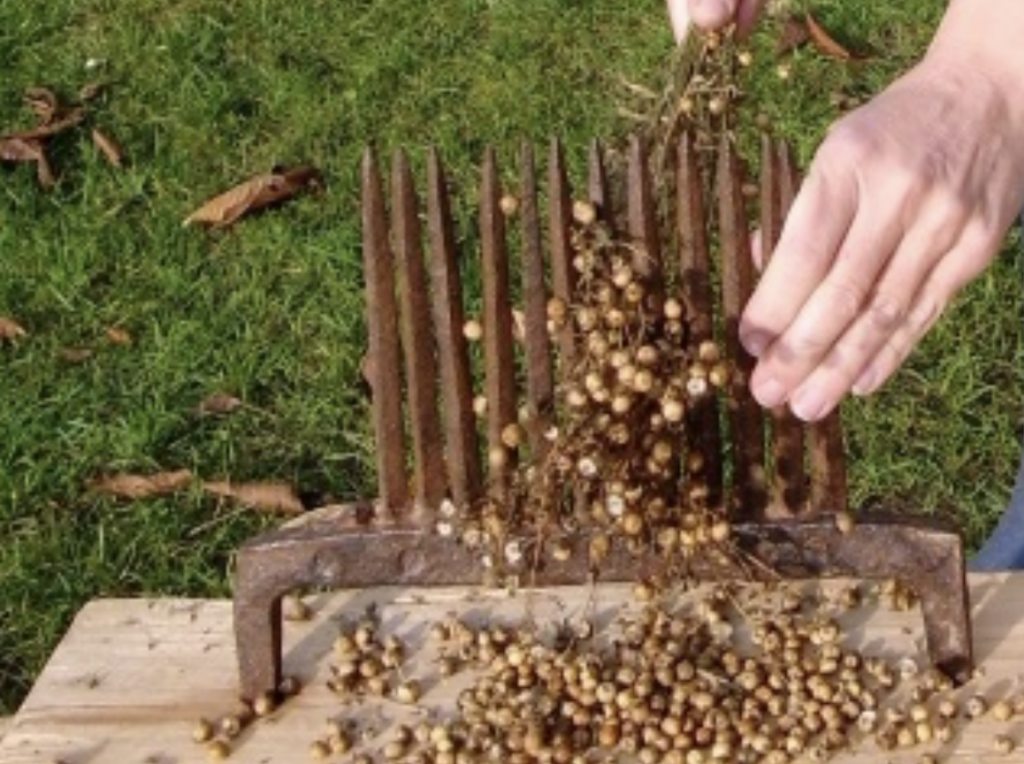
Retting and Drying
After the harvest in autumn, the flax sheaves are soaked in water for a period of time (water retting) or spread out on a meadow (dew retting). They are kept moist for approximately 2-4 weeks until a rotting process begins, making it easier to detach the flax fibers from the stalk. To further optimize this process, the flax stalks are retted, i.e., dried under heat.
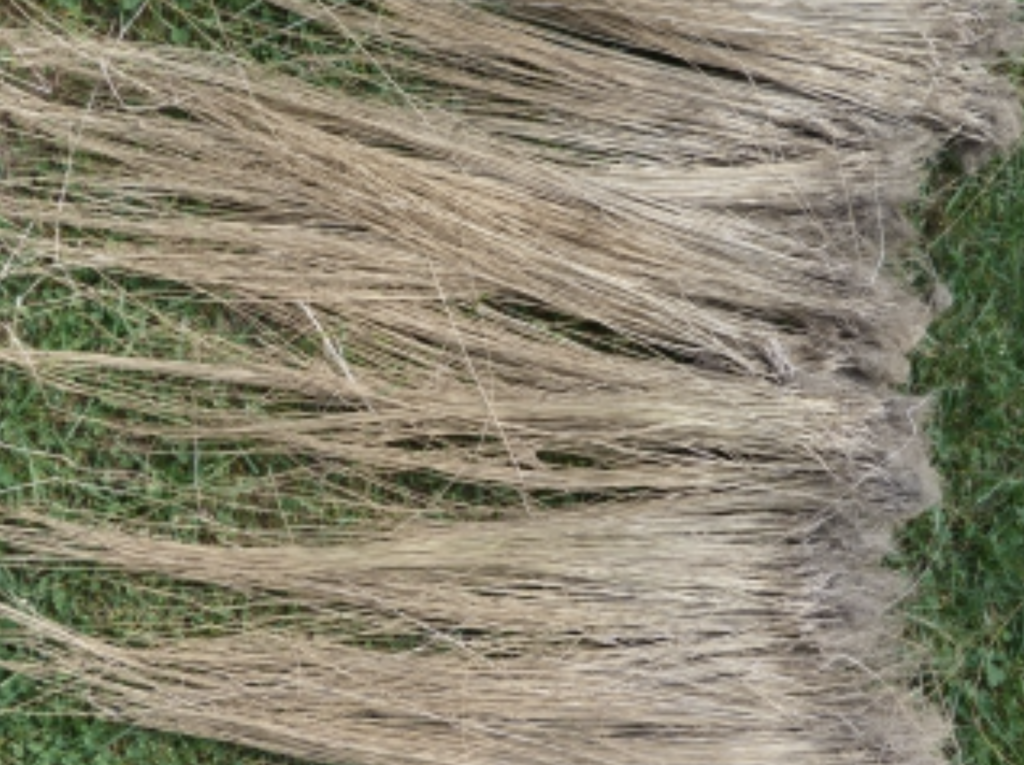
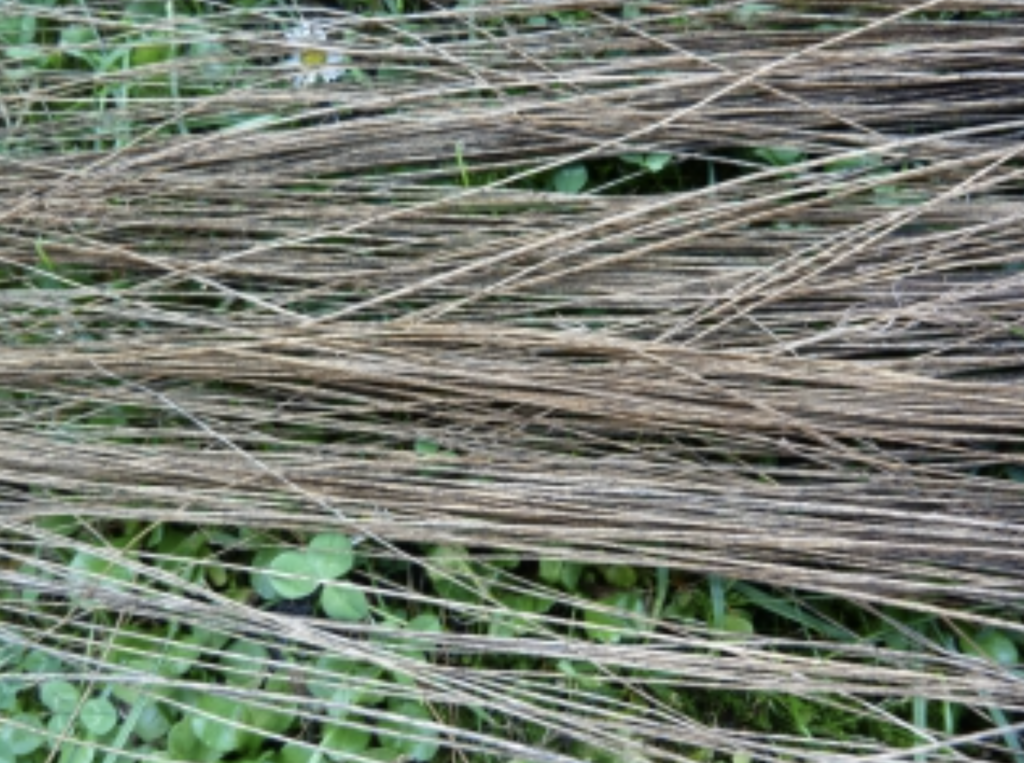
The Flax Breaker
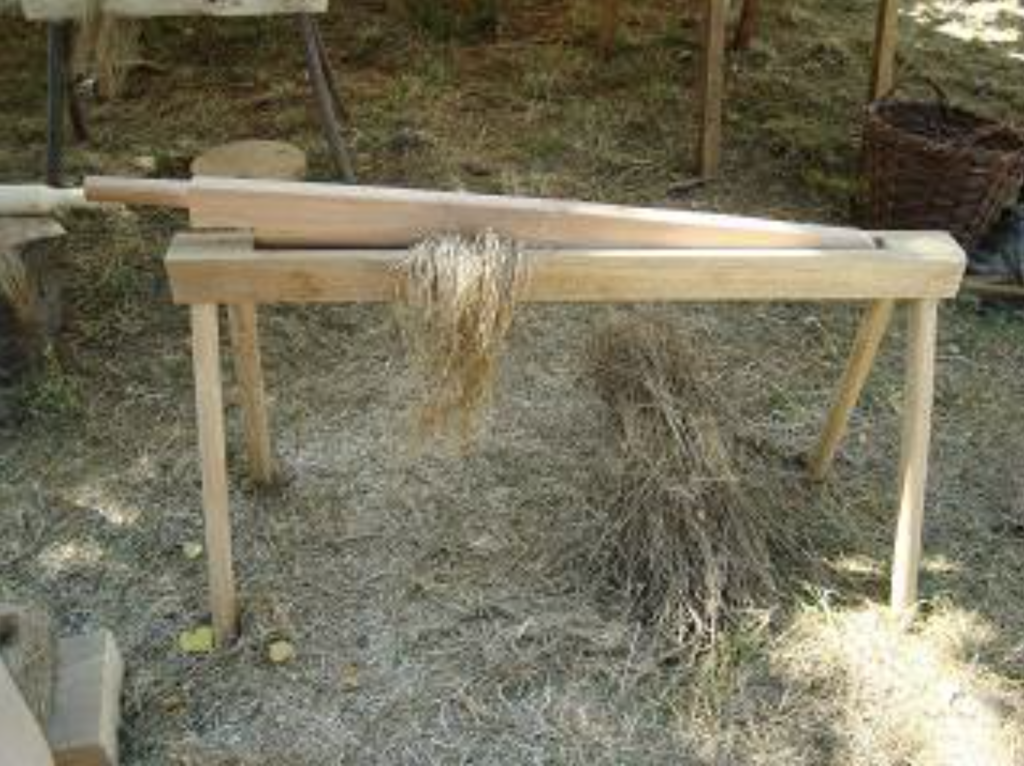
The flax sheaves are clamped on the flax breaker, and the outer layer of the stem is broken. This breaking process exposes the outer flax fibers. Sometimes the flax bundle is also pulled back and forth in the breaker to further separate the woody fibers from the plant fibers. The woody fibers were formerly used as bedding; today they also make good insulation.
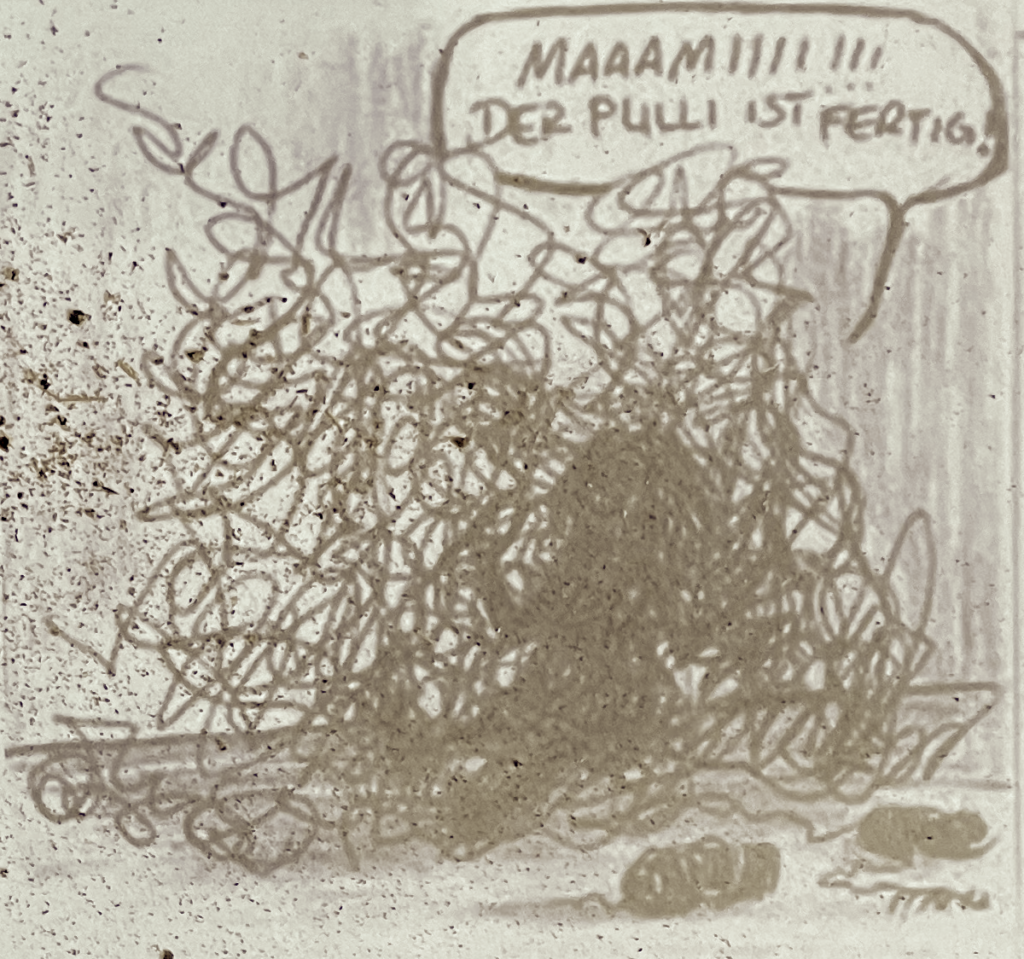
To get langled up
The saying is derived from the tangled, jumbled-up hackle and swarm waste.
The Hackling Comb
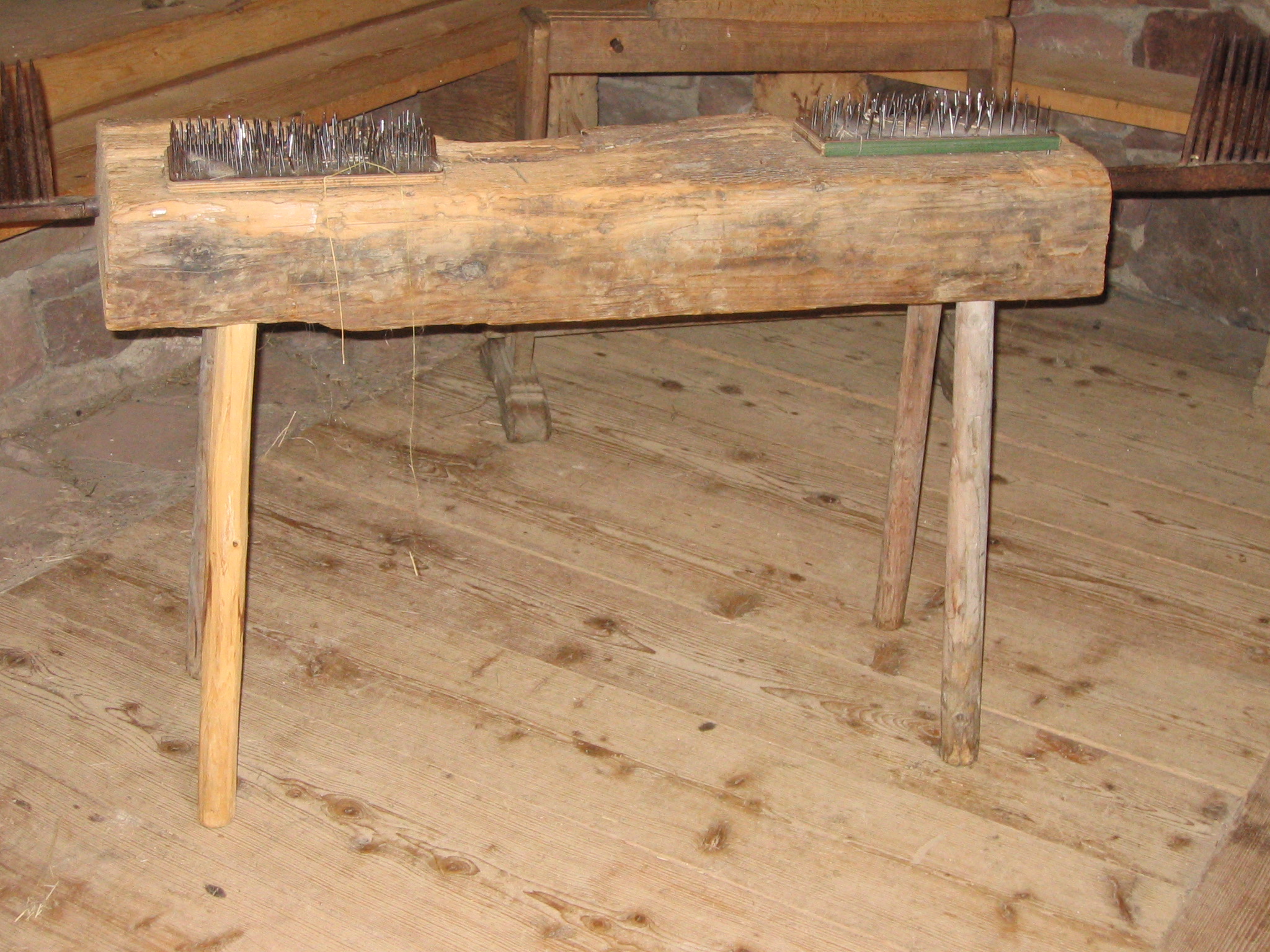
After flax breaking, the flax fibers are first pulled through a coarse comb (coarse nail board) and then through a fine comb (fine nail board), which removes the woody fibers. The inferior, short fibers are then processed into coarse fabrics, while the long fibers are further cleaned of wood residue.
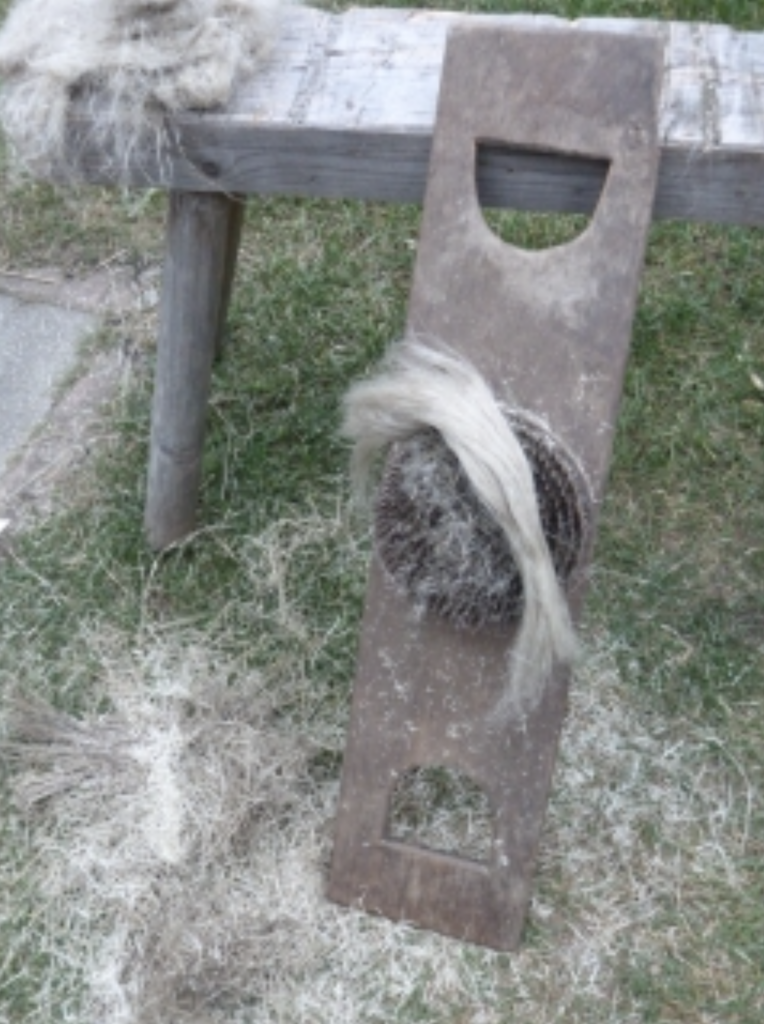
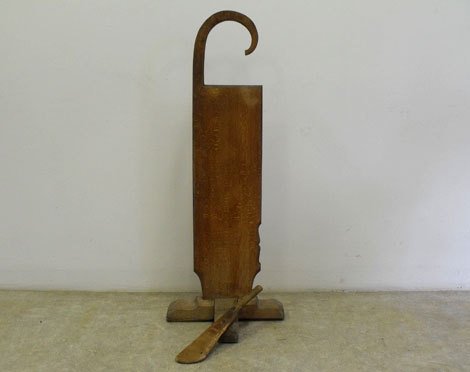
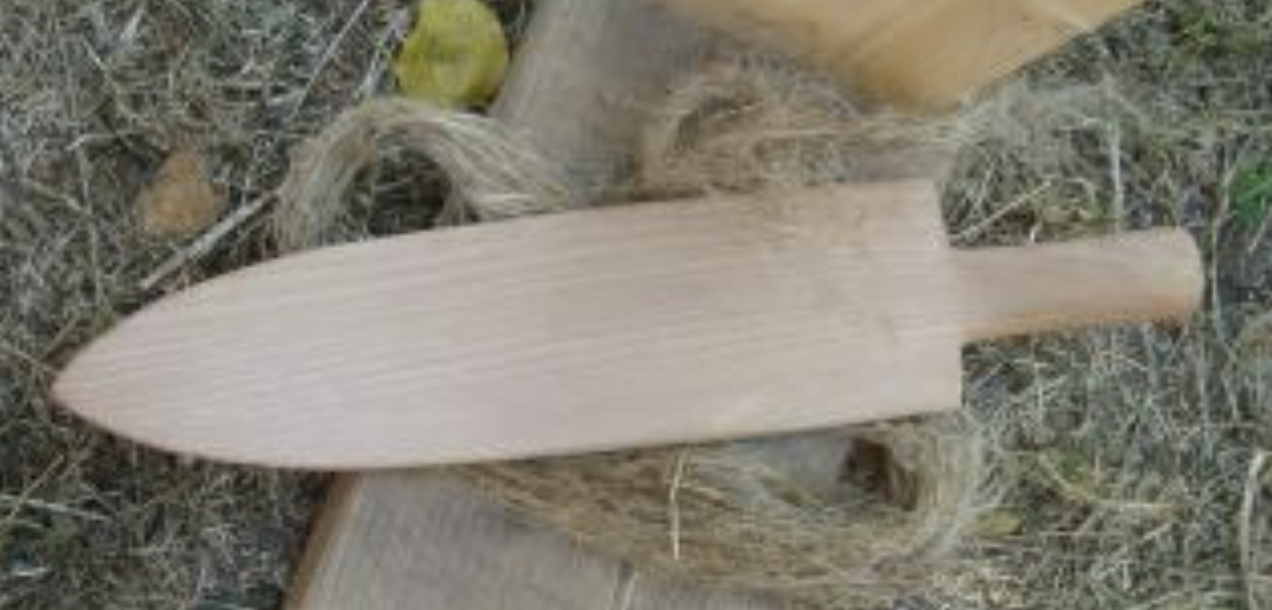
Swinging Knife
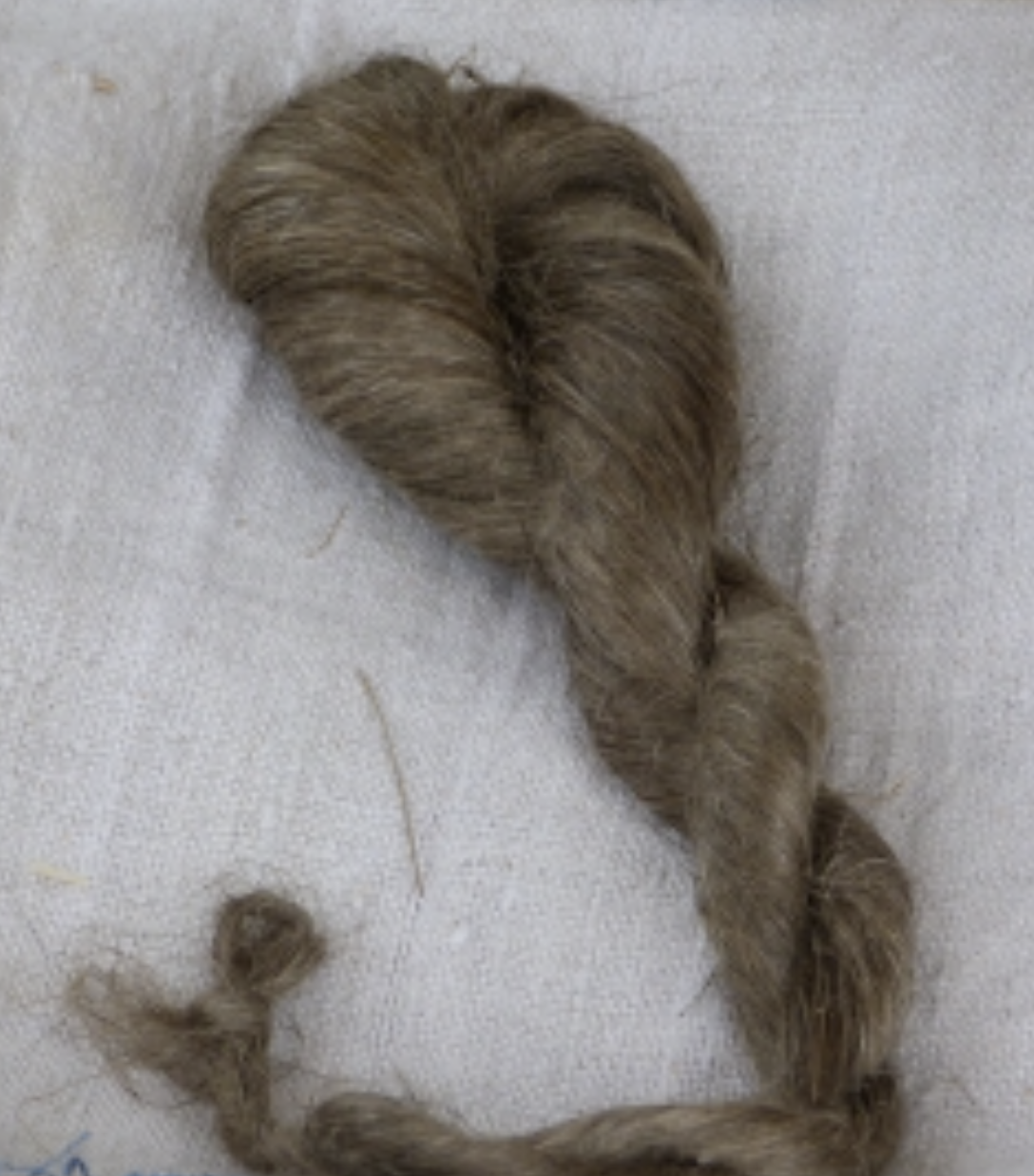
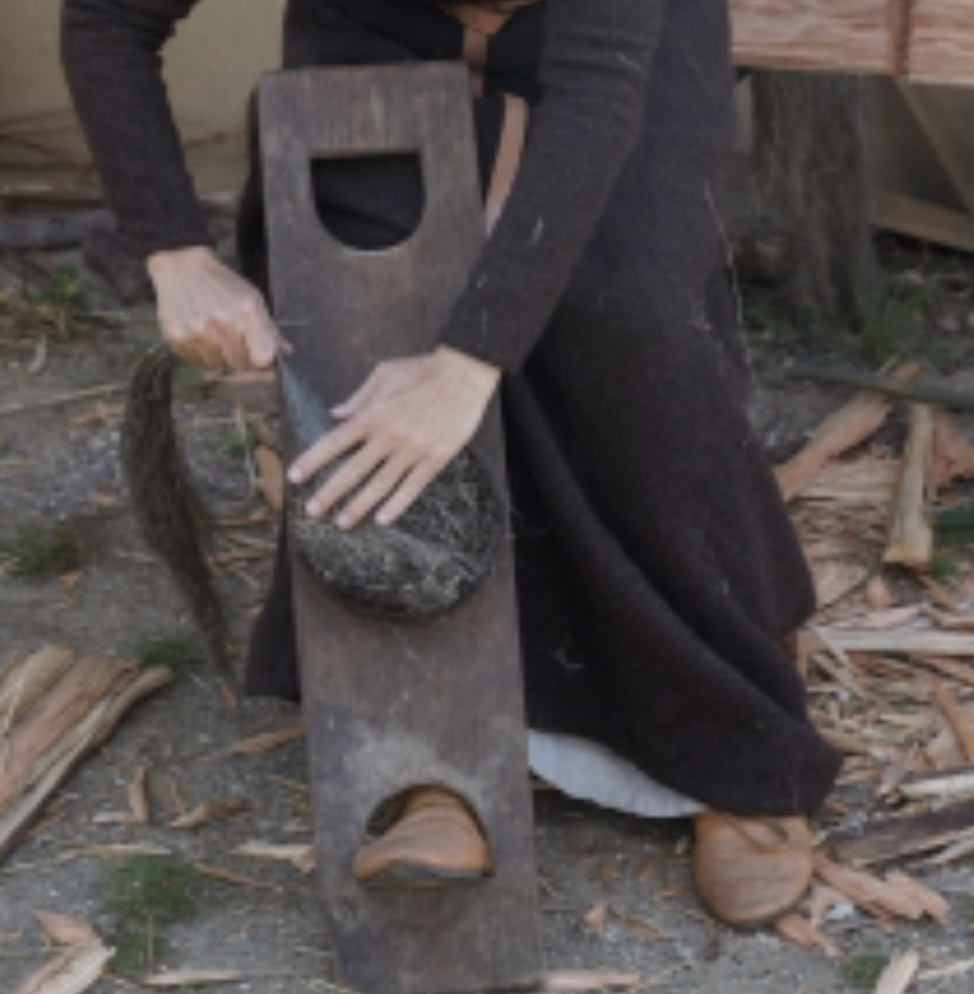
Once the last wood fibers have been removed from the linen fibers by the swinging knife, you have linen fiber of the best long-fiber quality. Only this is processed into clothing fabrics. The short fibers are added to the others from combing and are only used for coarse fabrics, such as sacks.
Now the linen fiber can be spun.
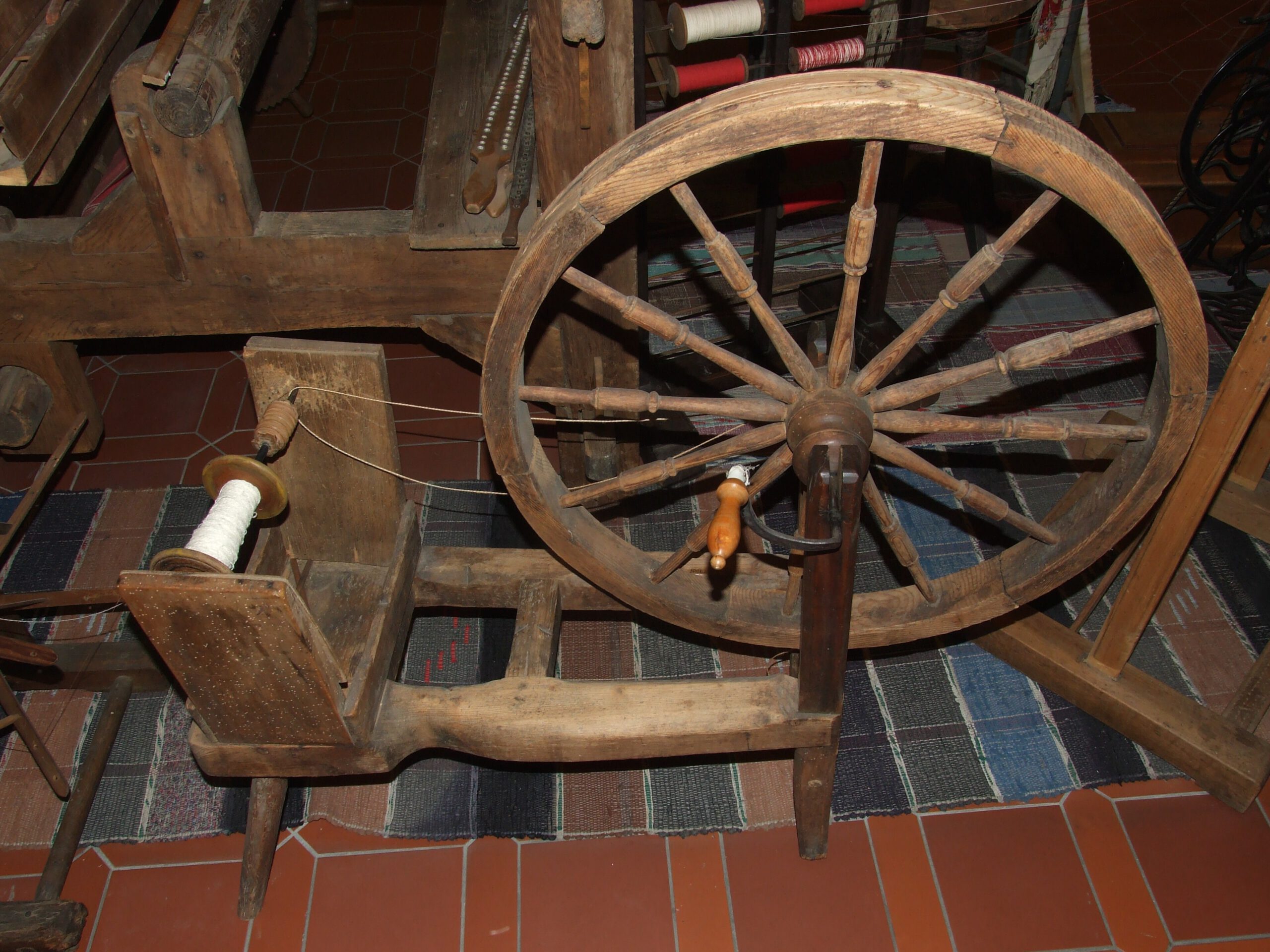
The Spinning Wheel
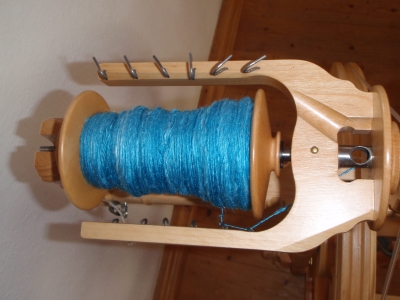
First, the linen fiber must be bound onto the distaff, often with pretty ribbons. A few fibers are then pulled from the distaff and attached to the bobbin.
Now the spinning wheel for the linen thread can be set in motion to the left and kept turning by treadling steadily.

Spinning
The spindle often has small hooks over which the yarn is pulled to create even balls of yarn.
A water bowl is always kept near the spinning wheel for moistening fingers, because the fiber is rough and would eventually tear the fingers. The water makes the fiber more supple.
Are you crazy?
Spinning used to be reserved for young girls, and several of them would often meet and tell stories while working, stories that, as village gossip, were sometimes far removed from reality. This is where the expression „He/she’s crazy!“ or even the confrontation, „Are you crazy?“ comes from.
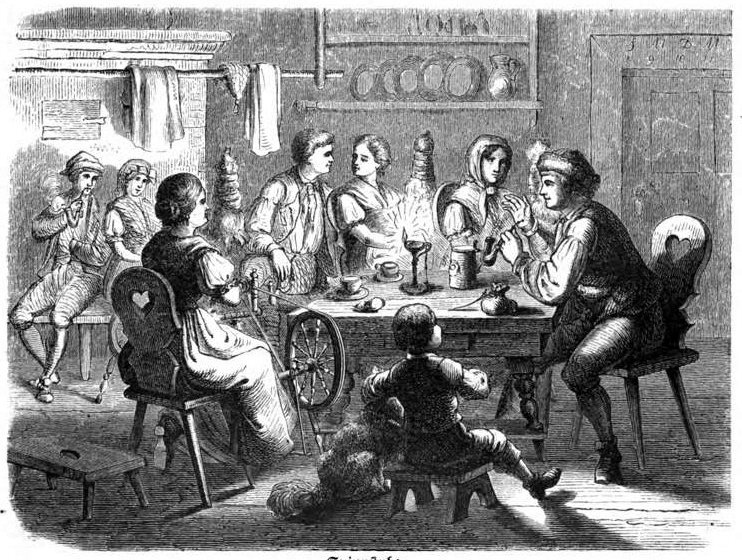
The Reel
Once the spinning wheel’s bobbin is full, the finished yarn must be wound onto the reel. This produces even skeins of yarn that are easy to wash, bleach and store. Many reels emit an audible signal after a certain number of turns, making it easier to ensure the warp threads are the same length.
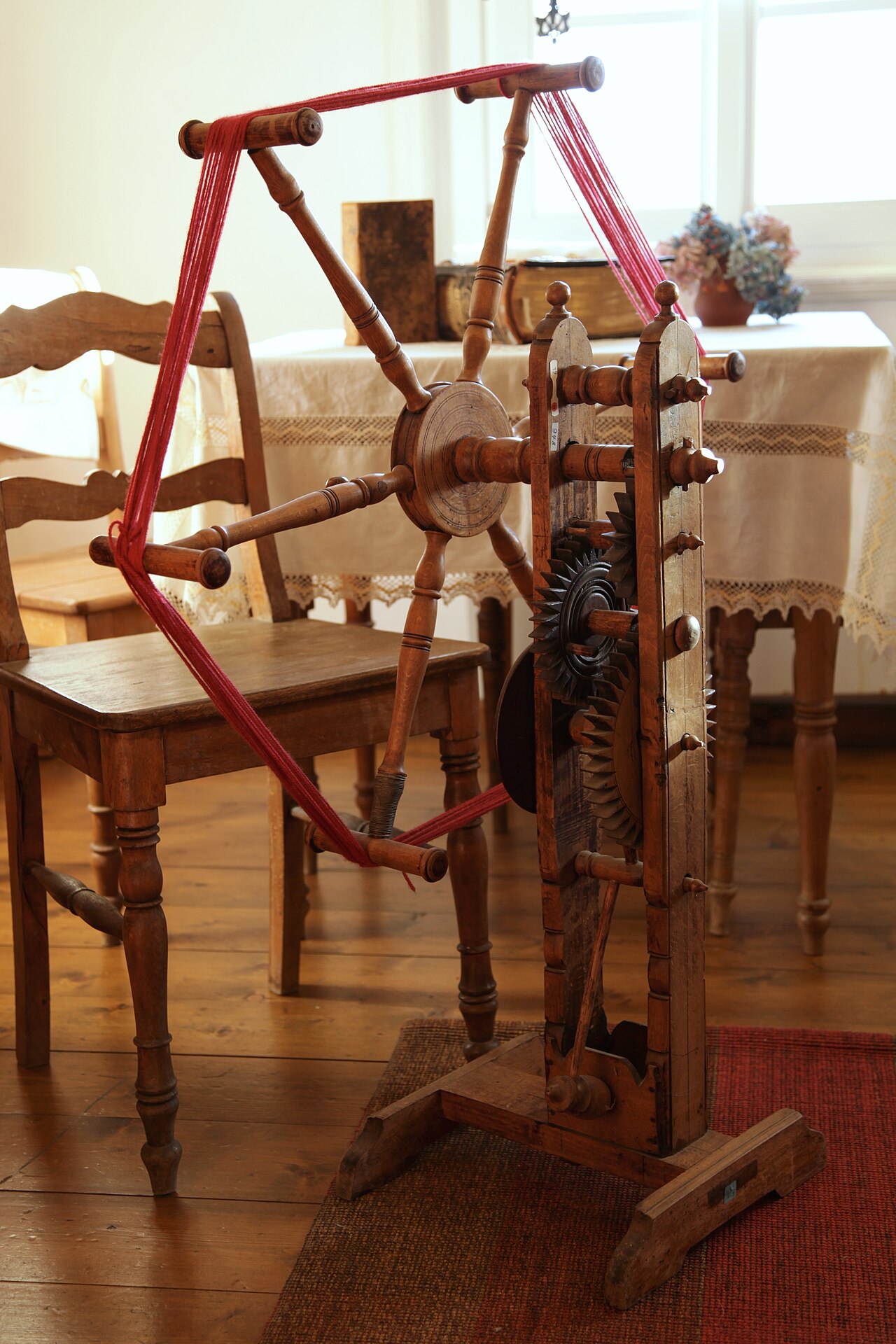
The Winding Wheel
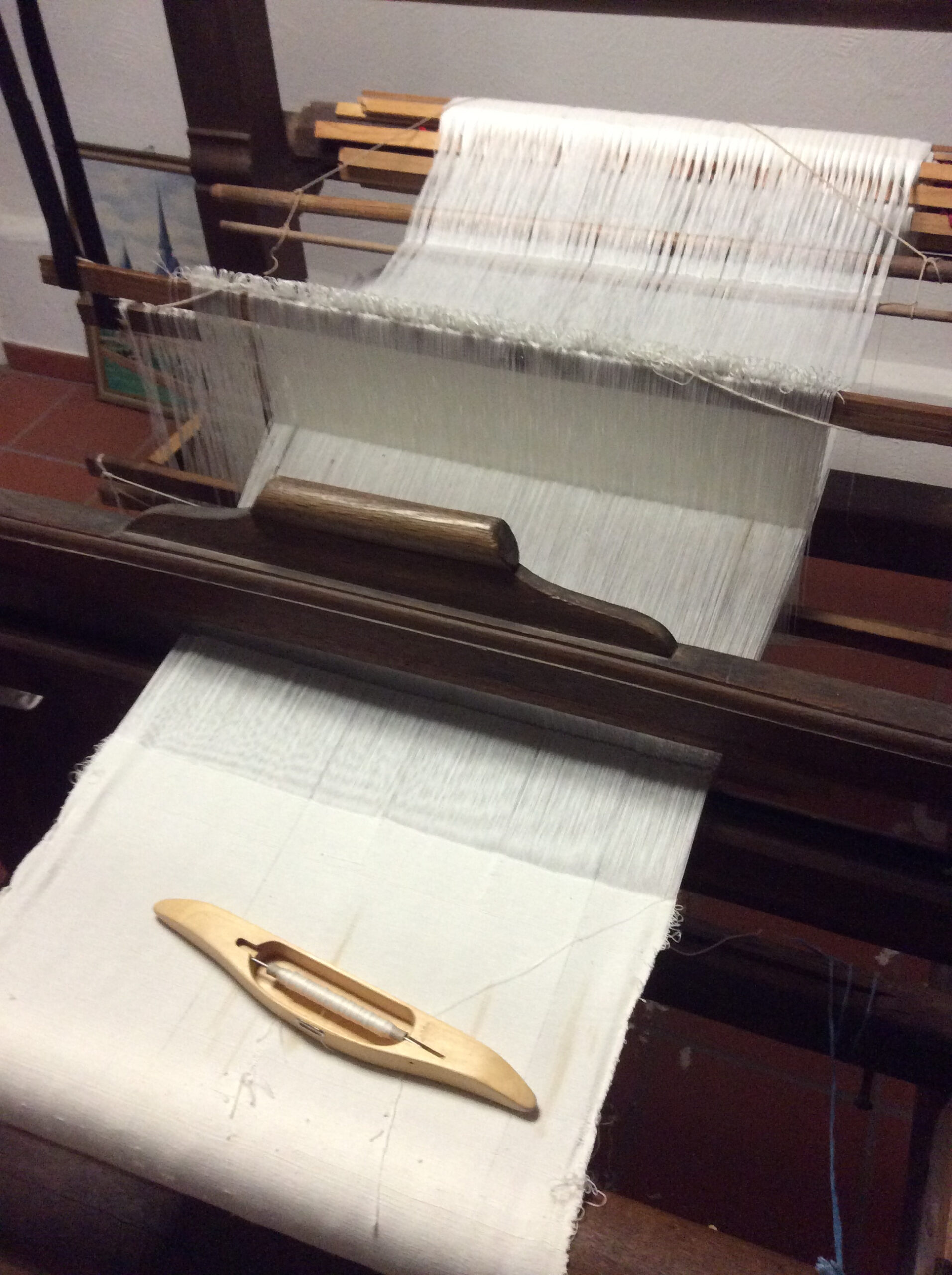
The cardboard bobbins are placed on the winding wheel, and the linen thread for the shuttle is wound onto it (weft bobbin). Then the weft thread can be placed into the shuttle.
But the main threads are still missing, a time-consuming step.
These are also prepared using the winding wheel.